
Choosing the right material is one of the most common questions parents ask. Muslin, bamboo viscose, merino wool or organic cotton – each of these materials has its own unique properties and is suited to different uses. In our blog, we will introduce them one by one to help you choose the material that best suits your child.
What Is Bamboo Viscose?
When most people think of bamboo, they imagine tall green plants that look like trees. In reality, bamboo is a grass – and one of the fastest-growing plants in the world. Under ideal conditions, some species can grow almost one metre (about three feet) in a single day.
This remarkable plant is the source of bamboo viscose, a fabric that parents love for its exceptional softness, gentle stretch and pleasant feel against the skin.
How Is Bamboo Viscose Made?
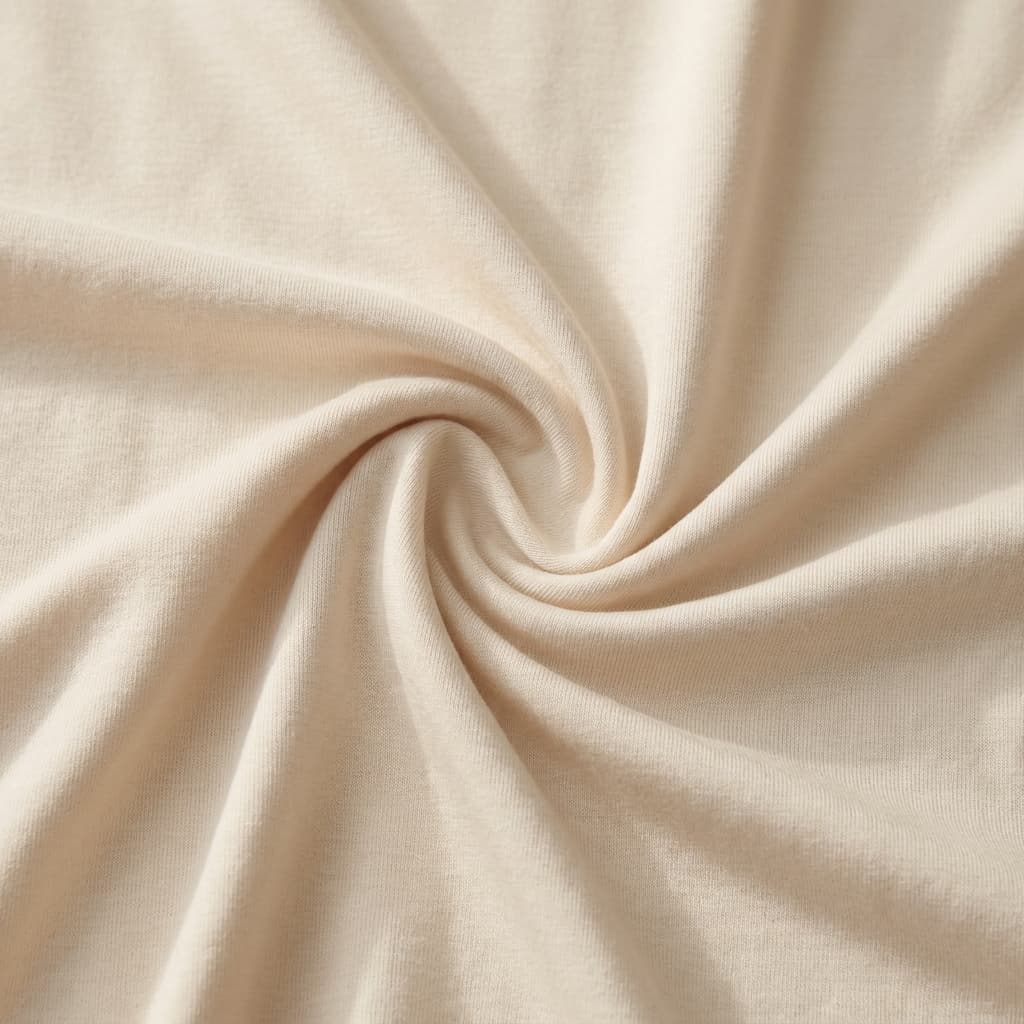
Bamboo viscose is a regenerated cellulose fibre made from bamboo. Unlike cotton, bamboo cannot be spun directly into textile fibres. Instead, cellulose is extracted from the bamboo and then processed into fine textile fibres.
The result is a fabric that is exceptionally soft, smooth, flexible and comfortable to wear.
What About Sustainability?
Bamboo is a rapidly renewable raw material that grows quickly and generally requires fewer pesticides than many other crops.
However, producing bamboo viscose is a more complex process. The cellulose is transformed into textile fibres through a chemical process, and the environmental impact depends largely on the manufacturing technology used. Modern production facilities increasingly use closed-loop systems that recover and reuse a significant portion of the processing chemicals.
For this reason, we believe it's fair to say that while bamboo itself is a renewable resource, the overall environmental footprint of bamboo viscose also depends on how the fabric is produced. :contentReference[oaicite:0]{index=0}
Imagine your favourite cotton T-shirt.
Now imagine it feeling even softer, smoother and pleasantly cool when you first touch it.
That's how most people describe bamboo viscose.
What Are the Properties of Bamboo Viscose?
- Exceptionally soft – smooth and gentle against delicate skin.
- Flexible – the knitted fabric naturally follows your child's movements.
- Good moisture absorption – helps provide comfort during warmer weather.
- Breathable – the fine bamboo knit used in our products allows good air circulation for greater comfort.
- Pleasant to the touch – often feels slightly cool when first touched.
🧵 Our Experience in Manufacturing
We've been working with bamboo viscose for many years, and it's one of those materials that customers tend to love from the very first touch. It's incredibly soft, flexible and naturally adapts to a child's movements.
Unlike muslin, which is a woven fabric, bamboo viscose is a knit fabric. This means garments don't need the same extra room in the pattern because the fabric itself provides natural stretch and freedom of movement.
That's why we use it mainly for our summer bamboo sleeping bags, summer bamboo blankets, and bamboo liners for car seats and strollers.
Bamboo Viscose or Muslin?
Both materials are excellent choices for warm weather, but each offers a different feel and different characteristics.
Bamboo viscose is a soft, stretchy knit fabric that feels silky smooth and pleasantly cool to the touch.
Muslin is a lightweight woven cotton fabric with a natural texture. It's breathable, holds its shape well and is loved by many parents for its classic cotton feel.
Do you prefer silky-smooth fabrics that feel pleasantly cool when you first touch them? Bamboo viscose may be the better choice for you.
If you prefer the natural feel of cotton with a lightly textured surface, muslin is likely to suit you better.
You can learn more in our article Why Parents Love Muslin and When It Is the Best Choice.
Neither material is universally better than the other. They simply offer different properties, and each has its own fans.
How to Care for Bamboo Viscose
Bamboo viscose is a delicate fabric that deserves gentle care.
- Always follow the washing instructions on the product label.
- Use a gentle washing programme.
- Avoid unnecessarily high washing and drying temperatures.
Like many cellulose-based fabrics, bamboo viscose may shrink if washed at temperatures higher than recommended.
🌿 Did You Know?
Bamboo isn't actually a tree – it's a grass. Under ideal growing conditions, some species can grow almost one metre (about three feet) in a single day, making bamboo one of the fastest-growing plants on Earth. :contentReference[oaicite:1]{index=1}
Frequently Asked Questions
Is bamboo viscose a natural material?
It is made from natural bamboo cellulose, which is then processed into fine textile fibres.
Is bamboo viscose suitable for summer?
Yes. Its softness, breathability and good moisture absorption make it a popular choice for lightweight baby products.
Why does bamboo viscose feel cool to the touch?
Its smooth surface and ability to absorb moisture create a pleasantly cool feeling when you first touch the fabric.
Does bamboo viscose shrink?
Yes. Like many cellulose-based fabrics, it can shrink if washed at temperatures higher than recommended. Always follow the care instructions on the product label.
What products is bamboo viscose best suited for?
Its softness, flexibility and breathability make it ideal for summer sleeping bags, lightweight baby blankets, and liners for car seats and strollers.
Conclusion
Bamboo viscose has become a favourite thanks to its exceptional softness, flexibility and pleasant feel. It is an excellent choice for lightweight baby products designed for warmer weather. If you prefer the natural texture of woven cotton, muslin may suit you better. The most important thing is choosing the material that best fits both your needs and your child's comfort.
Kaarsgaren Material Guide
Every material has its own unique properties and is best suited for a particular purpose. That is why we have created a series of articles that explain what our products are made of, what makes each material special and which products it is best suited for.
| Material | Article |
|---|---|
| Terry cotton | ➜ Read more |
| Muslin | ➜ Read more |
| Tencel™ (Lyocell) | ➜ Read more |
| Merino wool | ➜ Read more |
| Organic cotton | ➜ Read more |
| Cotton | ➜ Read more |
| Polyurethane membrane | ➜ Read more |
Our goal is not to claim that there is one perfect material for every situation. Each material has its own strengths and is suitable for different products and different needs. We believe that understanding their properties will help you choose the right product more easily.


